
or countless manufacturing processes—from curing composites to drying coatings—the industrial batch oven remains an indispensable and highly efficient workhorse.
But what exactly is a batch oven, and is it the right solution for your operation? This guide breaks down everything you need to know.
What is an Industrial Batch Oven?
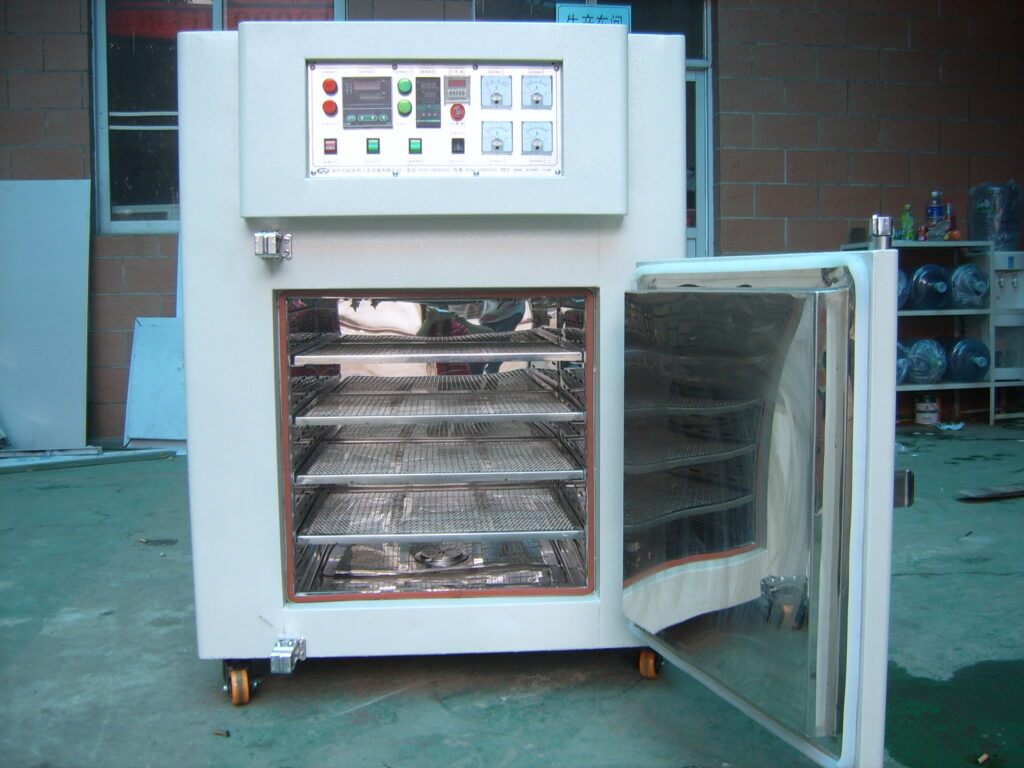
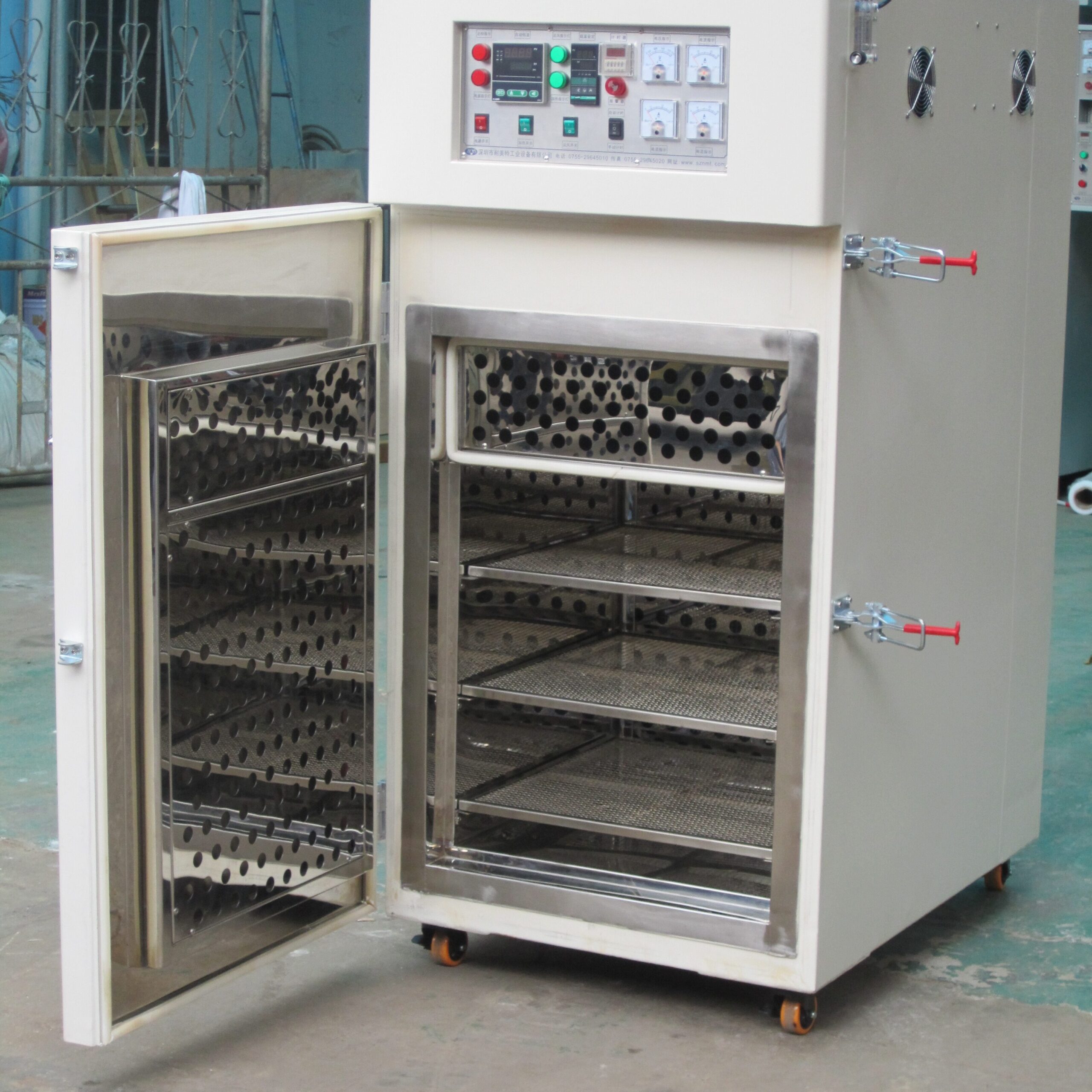
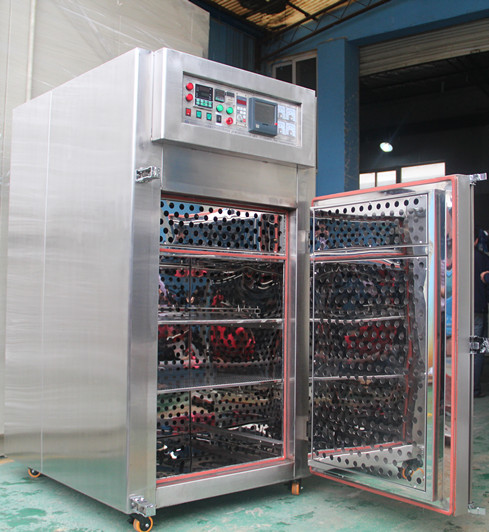
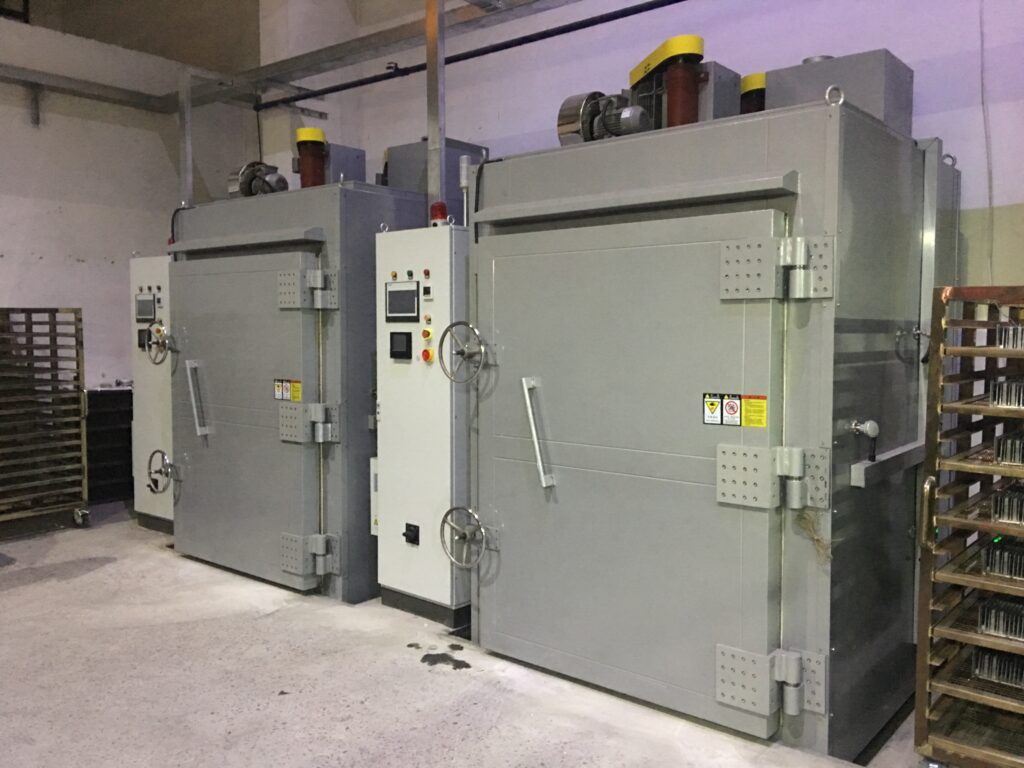
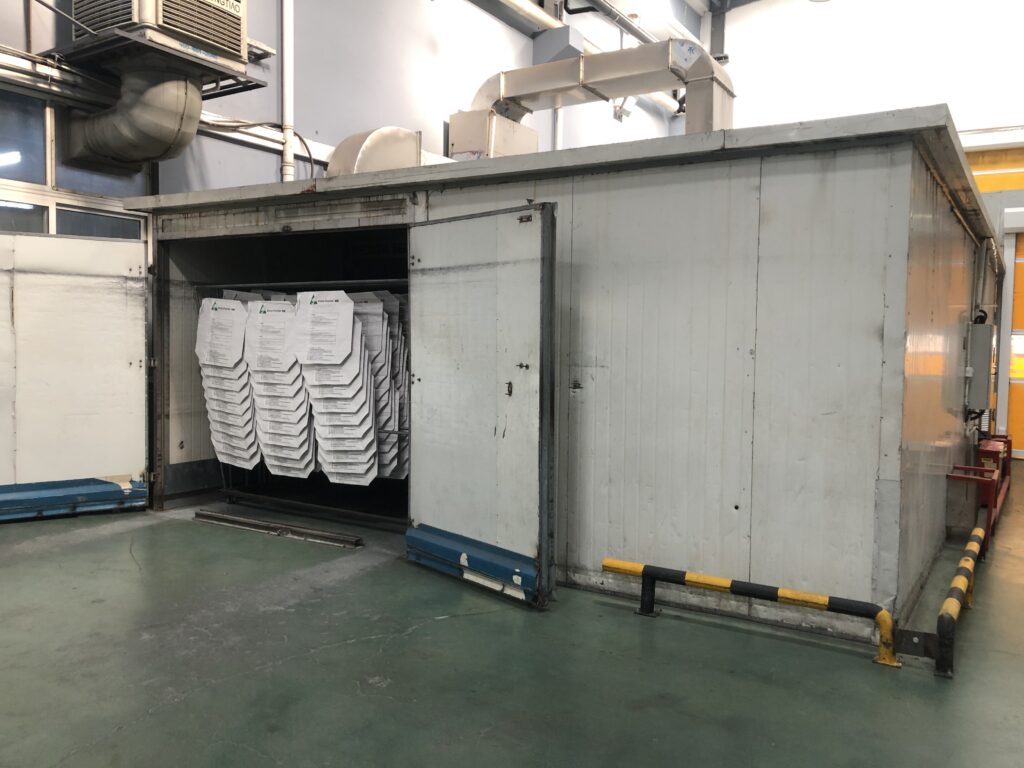
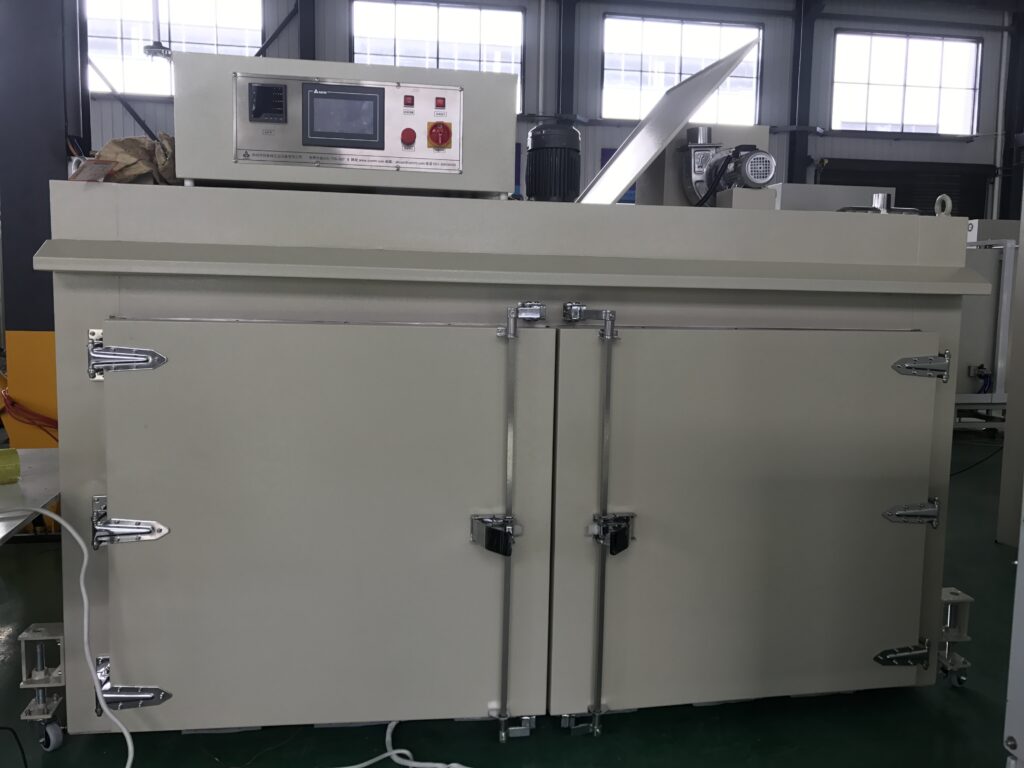
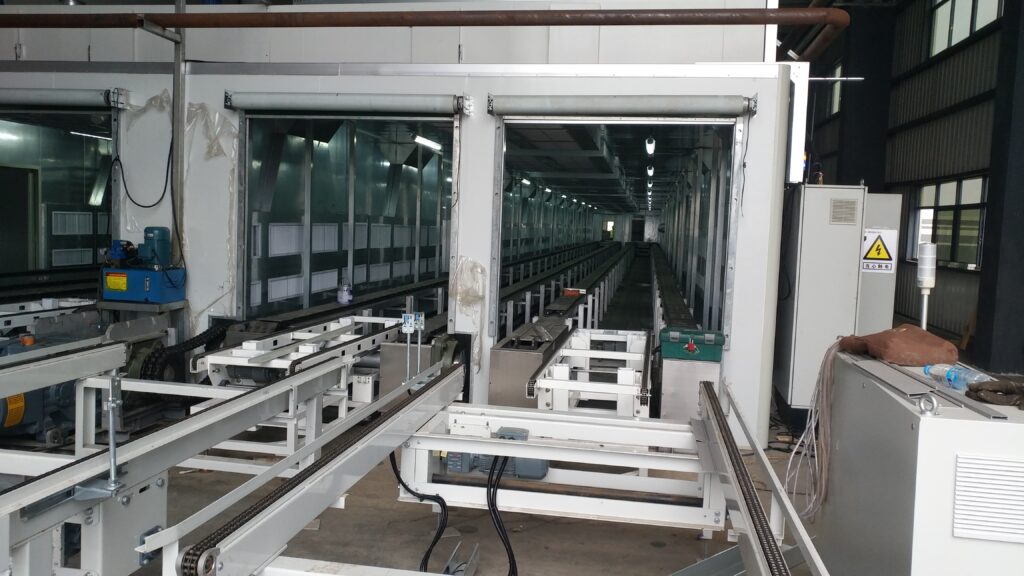
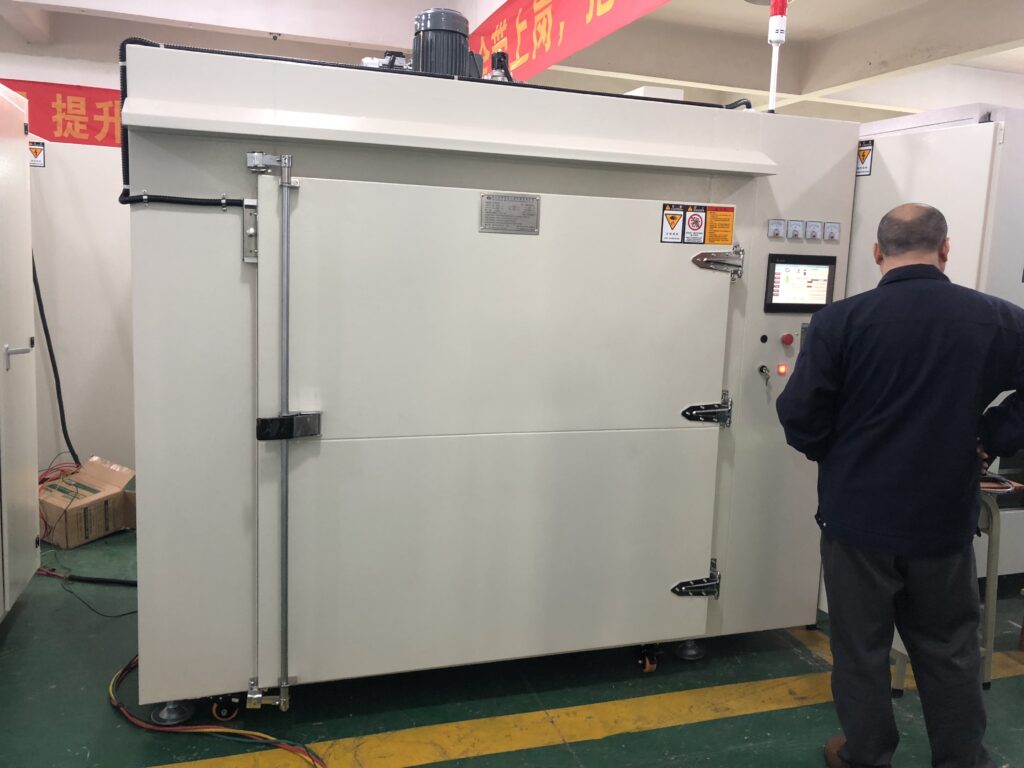
An industrial batch oven is a heated chamber used for thermal processing where products are loaded in discrete “batches,” rather than continuously on a conveyor. The oven is loaded, the door is sealed, and a specific time-temperature profile is run to complete the process. Once the cycle is finished, the oven is unloaded, and the next batch is prepared. Compared with continuous oven, the cycle of the batch oven is more long, but the temperature is more percise.
This simple “load, process, unload” method offers unparalleled control for a wide range of applications.
This simple “load, process, unload” method offers unparalleled control for a wide range of applications.
What Are Batch Ovens Used For?
The versatility of batch ovens makes them suitable for numerous industries, including aerospace, automotive, pharmaceuticals, and textiles. Common processes include:
Curing: Hardening paints, powder coatings, and composites.
Drying: Removing moisture from component, ceramics, or textiles.
Baking: Curing adhesives or processing food products.
Annealing: Relieving stress in metals.
Pre-Heating: Bringing parts up to temperature before further processing.
Ageing & Stability Testing: Simulating long-term effects in a controlled environment.
Why Choose a Batch Oven
Ultimate Flexibility: Easily switch between different products and materials by simply creating a new recipe. Ideal for low-to-medium volume production and R&D.
Superior Process Control: Precise control over temperature uniformity and soak time ensures consistent, repeatable results for every batch.
Cost-Effectiveness: Lower initial investment compared to conveyorized systems. Perfect for manufacturers who don’t require 24/7 continuous operation.
Space Efficiency: Batch ovens have a smaller footprint than lengthy conveyor ovens, making them ideal for facilities with limited space.
Durability: Built with robust materials like aluminized steel and high-temperature insulation, these ovens are designed for long-term industrial use. Their service life could be longer than 10 years.

How To Choose A right Batch Oven
Selecting the correct oven is critical to your process’s success. Consider these key factors:
Temperature range, What max temperature do you require? (e.g., 650°F for curing, 800°F for annealing).
Heating Source: Electric, natural gas, steam, or oil? Electric offers precise control, while gas can be more cost-effective for high-temperature needs.
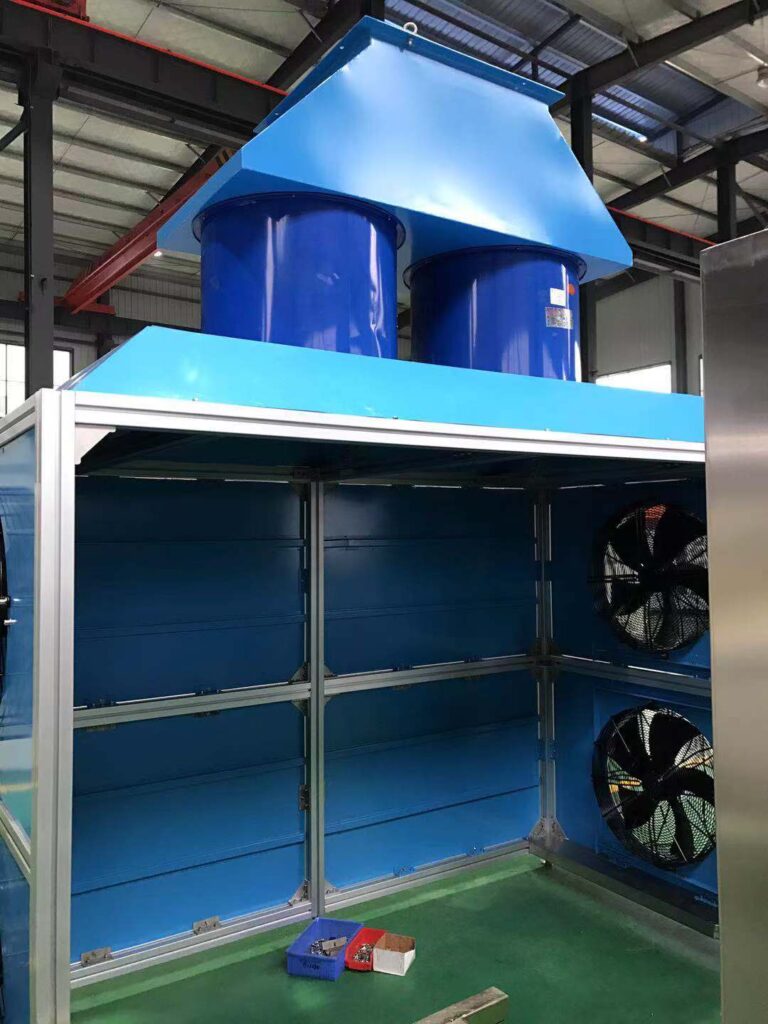
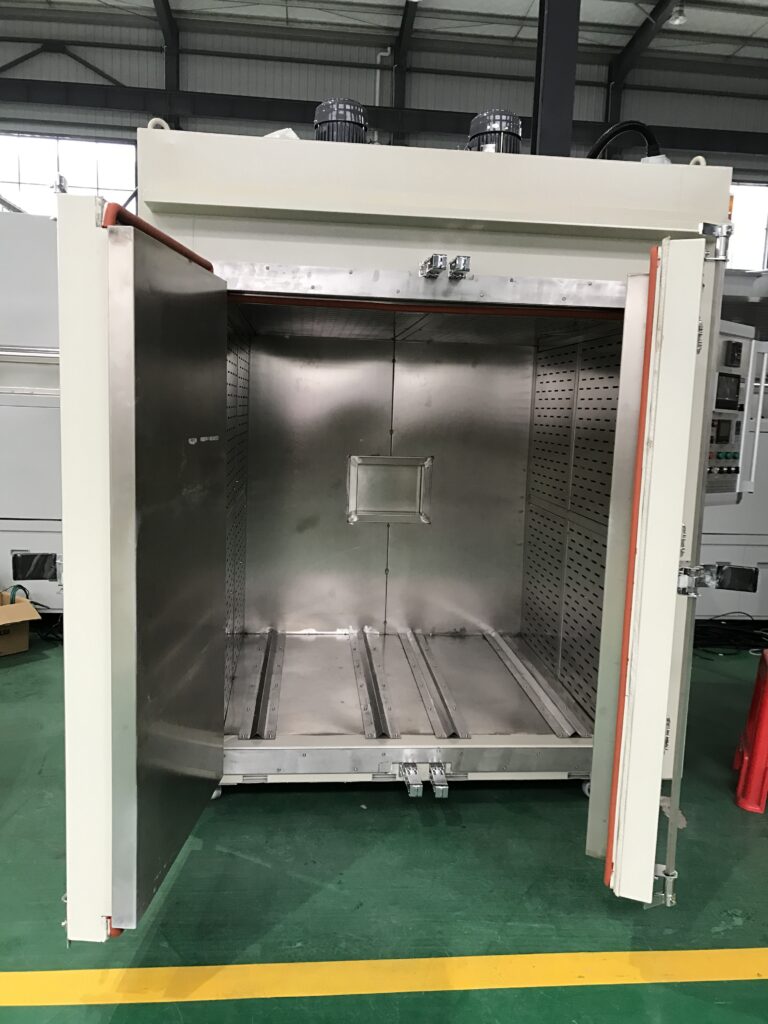
Airflow & Uniformity: Critical for consistent results. Look for Horizontal or Vertical Airflow systems designed to maintain temperature uniformity across the entire workspace (±5°F is a common standard).
Size & Capacity: Determine the size and weight of your largest parts. Ovens are available in bench-top, walk-in, and truck-in configurations.
Control System: From simple analog controllers to sophisticated Programmable Logic Controllers (PLCs) with data logging for complete traceability.
Safety Features: Look for UL certification, over-temperature protection, door safety switches, and properly sized exhaust systems.

Tailored to Your Unique Process – custom the batch oven
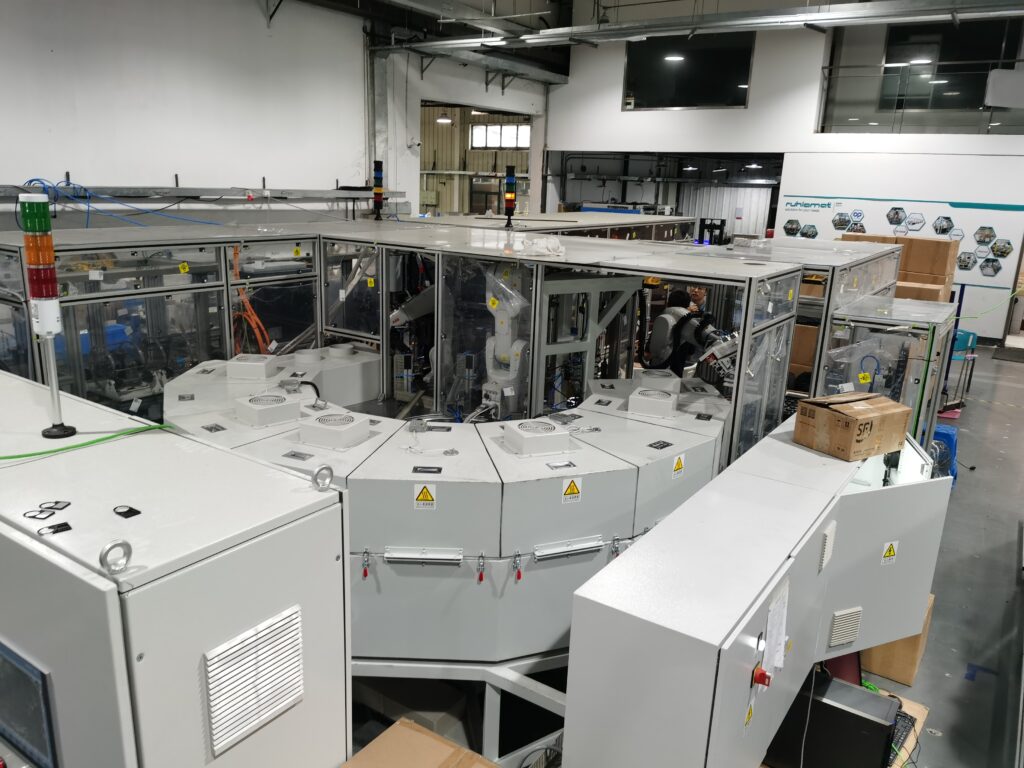
Etek is an industrial oven solution supplier, which means we customize the oven in accordance with the requirements of your unique process. Whether you need specific racking, corrosive-resistant interiors, explosion-proof construction, or complex control software, we can engineer a batch oven solution that fits your exact specifications.
Ready to optimize your thermal processing? Contact the experts at Etek today. We’ll help you specify, design, and build the perfect industrial batch oven to improve your product quality and boost your productivity.
anjiannan@etekoven.com, the overseas sales